

Understanding Commodities: A Complete Guide for Traders and Investors
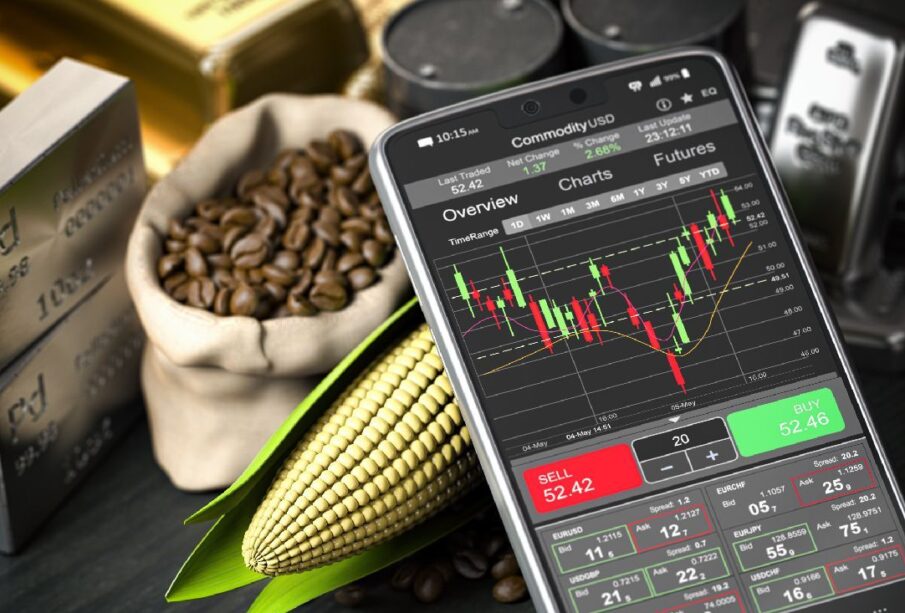
Commodities play a central role in the global economy, forming the backbone of trade, investment, and market dynamics. From essential agricultural products to valuable metals and energy resources, commodities are tangible goods that can be bought, sold, and traded on specialized markets. Understanding how commodities work, the different types, and strategies for trading or investing is essential for both businesses and individual investors.
What is a Commodity?
A commodity is a basic good used in commerce that is interchangeable with other goods of the same type. Unlike manufactured products, commodities are often raw materials or primary agricultural products. Their value is determined by market supply and demand rather than brand or unique characteristics.
Commodities are classified broadly into hard commodities and soft commodities. Hard commodities are natural resources that are mined or extracted, such as gold, silver, crude oil, and natural gas. Soft commodities are agricultural products or livestock, including wheat, coffee, cotton, sugar, and cattle.
Commodities are integral to both production and consumption. Industries rely on hard commodities for manufacturing, construction, and energy, while soft commodities fulfill basic human needs such as food, clothing, and textiles.
Types of Commodities
Commodities are usually divided into categories to facilitate trade and investment. The main types include:
1. Energy Commodities
Energy commodities are critical to powering economies and include crude oil, natural gas, gasoline, and coal. Oil is often considered the most important global commodity due to its influence on energy prices, transportation, and industrial output. Energy commodities are traded on futures exchanges like NYMEX and ICE and are affected by geopolitical events, supply disruptions, and technological advancements.
2. Metals
Metals are categorized into precious metals and industrial metals. Precious metals like gold, silver, platinum, and palladium serve as investment assets and store of value. Industrial metals, including copper, aluminum, and zinc, are essential for manufacturing, construction, and technology industries. Prices fluctuate with global demand, economic growth, and production costs.
3. Agricultural Commodities
Agricultural commodities include crops like wheat, rice, corn, soybeans, and coffee. Livestock such as cattle, hogs, and poultry also fall under this category. Weather conditions, climate change, pests, and global trade policies significantly influence agricultural commodity prices.
4. Soft Commodities
Soft commodities often overlap with agricultural products but are mainly focused on cash crops like sugar, coffee, cocoa, and cotton. These commodities are heavily traded globally, and fluctuations in their prices can impact both local farmers and international trade.
5. Other Commodities
Some commodities, like lumber, rubber, and rare earth elements, are less commonly traded but remain crucial for specific industries. Rare earth metals, for example, are essential for technology, electronics, and renewable energy solutions.
Commodity Trading: How It Works
Trading commodities involves buying and selling contracts for physical goods or derivative instruments like futures and options. Commodity trading can be classified into two primary methods: spot trading and futures trading.
Spot Trading
Spot trading involves the immediate purchase or sale of a commodity at the current market price. The transaction is settled “on the spot,” meaning the commodity or its equivalent monetary value is exchanged immediately. Spot trading is common in physical markets and for commodities like metals, crude oil, and agricultural products.
Futures Trading
Futures trading involves standardized contracts to buy or sell a commodity at a predetermined price on a specific future date. Futures contracts allow producers, consumers, and investors to hedge against price fluctuations. For example, a farmer may sell wheat futures to secure a fixed price before harvest, while a food processing company may purchase futures to protect against rising costs.
Factors Influencing Commodity Prices
Commodity prices are influenced by various factors, including:
- Supply and Demand: The most basic factor affecting prices. Scarcity or oversupply can lead to price volatility.
- Geopolitical Events: Conflicts, sanctions, or political instability in key producing regions can impact supply.
- Weather and Climate: Agricultural commodities are particularly sensitive to weather changes, droughts, and natural disasters.
- Economic Data: Global economic growth, inflation rates, and industrial production affect demand for commodities.
- Technological Advances: Innovations in extraction, production, and logistics can reduce costs and impact market prices.
Investing in Commodities
Commodities are increasingly popular as an investment vehicle due to their potential for diversification and hedge against inflation. Investors can gain exposure to commodities through several methods:
Physical Commodities
Buying the actual commodity, such as gold bars, silver coins, or agricultural products, is the most direct form of investment. While tangible, physical commodities require storage, security, and maintenance.
Commodity Futures
Investors can trade commodity futures contracts on exchanges. Futures allow leverage and can provide high returns but carry significant risks due to price volatility.
Commodity ETFs and Mutual Funds
Exchange-traded funds (ETFs) and mutual funds provide a convenient way to invest in commodities without holding physical assets. These funds track commodity prices or indices and offer diversification across multiple commodities.
Stocks of Commodity Companies
Investing in companies involved in commodity production, such as mining corporations, oil companies, and agricultural firms, is another approach. These stocks often correlate with commodity prices but are also influenced by company performance, management, and industry trends.
Risks in Commodity Investment
Commodity investment carries several risks that investors must consider:
- Price Volatility: Commodity prices can fluctuate sharply due to external factors like weather, politics, and economic changes.
- Liquidity Risk: Some commodities may have limited trading volumes, affecting the ability to buy or sell quickly.
- Storage and Insurance Costs: Physical commodities require secure storage and insurance, adding to overall costs.
- Market Manipulation: Commodity markets are susceptible to speculation and manipulation, impacting prices.
- Currency Fluctuations: Commodities traded globally are usually priced in U.S. dollars, so currency exchange rates can affect returns.
The Role of Commodities in the Global Economy
Commodities are fundamental to economic growth and international trade. They provide raw materials for industries, contribute to energy security, and influence inflation and consumer prices. Countries rich in natural resources often rely on commodity exports as a significant source of revenue. Commodities also play a crucial role in financial markets, serving as hedging instruments and diversifying investment portfolios.
Future Trends in Commodity Markets
The commodity markets are evolving due to technological, environmental, and economic shifts. Some emerging trends include:
- Sustainable Commodities: Growing demand for ethically sourced and environmentally friendly products.
- Renewable Energy Commodities: Increased focus on solar, wind, and battery metals like lithium and cobalt.
- Digital Commodities Trading: Online platforms and algorithmic trading are improving market accessibility and efficiency.
- Climate Risk Impact: Climate change and extreme weather events are reshaping agricultural and energy commodity markets.
- Globalization and Supply Chain Dynamics: Trade policies, tariffs, and logistics advancements impact commodity availability and pricing.
Conclusion
Commodities are essential to both everyday life and global economic systems. Understanding their types, trading mechanisms, investment opportunities, and market dynamics is crucial for businesses, investors, and policymakers. Whether you are exploring commodities for investment, trading, or economic analysis, staying informed about global trends and market fundamentals ensures better decision-making and long-term financial success.
Frequently Asked Questions (FAQs)
1. What makes a commodity different from a regular product?
A commodity is interchangeable with other goods of the same type, and its value is determined by market supply and demand rather than brand or uniqueness.
2. Can individuals trade commodities easily?
Yes, individuals can trade commodities through futures contracts, ETFs, mutual funds, or by investing in commodity-related companies.
3. How do geopolitical events affect commodity prices?
Conflicts, sanctions, and political instability in key producing regions can reduce supply or increase market uncertainty, leading to price fluctuations.
4. Why are commodities considered a hedge against inflation?
Commodity prices often rise with inflation, preserving purchasing power and offering protection for investors.
5. What are the risks of investing in commodities?
Risks include price volatility, liquidity issues, storage and insurance costs, market manipulation, and currency fluctuations.
6. What is the difference between soft and hard commodities?
Soft commodities are agricultural products or livestock, while hard commodities are natural resources like metals and energy products.
7. How can technology impact commodity trading?
Technology enhances trading efficiency, data analysis, and risk management while enabling online platforms, algorithmic trading, and better access to global markets.


